Build Confident Sales Reps With AI Call Anxiety Training (XL Roleplay)
Build Confident Sales Reps With AI Call Anxiety Training (XL Roleplay)
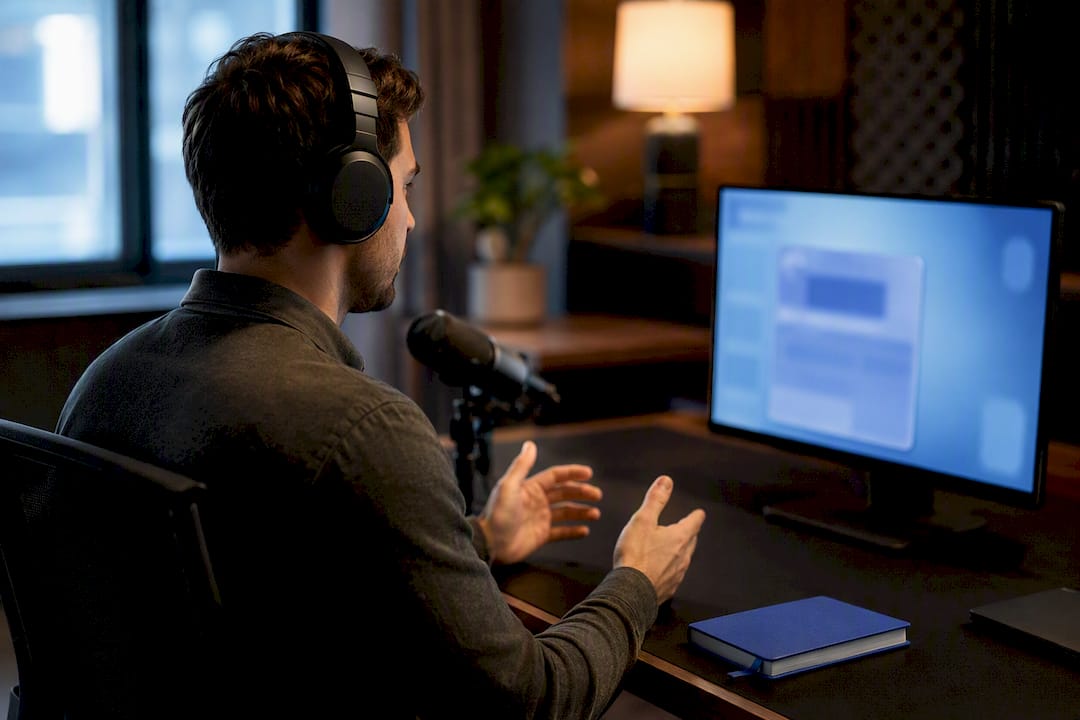
AI-driven voice and video role-play is the most reliable way to reduce call-related anxiety in sales and service teams because it gives reps unlimited, judgment-free repetition with scored feedback instead of one or two awkward manager run-throughs. It scales past what any coaching calendar allows and produces measurable readiness gains you can track over weeks, not quarters. Platforms like XL Roleplay make this approach practical for teams that need it now, not after a six-month rollout.
TL;DR:
- Repetition with AI role-play removes social risks and provides concrete, score-based feedback that helps reps improve objection handling and call pacing more efficiently than manager-led practice.
- Building a program around real upcoming calls, short frequent sessions, and manager involvement in dashboards increases adoption and skill retention over time.
- Successful metrics include practice frequency, rubric scores, and live call outcomes like win rate improvements within a four to eight-week pilot.
- Embedding AI coaching into existing tools like CRM and using customizable rubrics aligned with your sales methodology maximizes engagement and coaching effectiveness.
- Avoid vendors with fixed scenarios, opaque pricing, or unclear AI explanation, and start with a small, metric-driven pilot involving real calls for best results.
Table of Contents
- What Does Call Anxiety Training Mean Here?
- Why Does AI Role-Play Reduce Call Anxiety?
- How Do You Build a Program That Sticks?
- What Metrics Prove the Training Is Working?
- Where Does Role-Play Fit in Your Existing Stack?
- What Makes XL Roleplay a Fit for This Job?
- What Should You Ask a Call Anxiety Training Provider?
- What Red Flags Should Make You Walk Away?
- How to Evaluate XL Roleplay Before You Commit
- A Practitioner’s Take on Rolling This Out
- Sources
- FAQ
What Does Call Anxiety Training Mean Here?
For this guide, call anxiety training means AI-driven role-play: live spoken exchanges between a rep and an AI-simulated buyer or customer, built to mirror the objections, pressure, and pacing of a real call. This is not clinical telephobia treatment or exposure therapy for a diagnosed phone phobia. It is a performance-training method aimed at reps who freeze up, over-script, or avoid tough calls because they have not had enough safe practice.
A typical session runs a few minutes: the rep picks or is assigned a scenario, a persona pushes back with realistic objections, and the system scores the conversation against a rubric tied to the team’s own methodology. The output includes a transcript, a readiness score, and specific callouts on discovery questions, objection handling, and talk pacing. Good platforms maintain a scenario library that managers can customize rather than a fixed set of generic prompts. What follows focuses entirely on this operational, sales-and-service context.
Why Does AI Role-Play Reduce Call Anxiety?
Anxiety around calls usually comes from uncertainty: not knowing what will be said next, and not knowing how bad the next mistake will look in front of a manager. Repetition with an AI persona removes the second half of that equation. Reps can fail, restart, and try a different opening line without anyone watching in real time, which strips out the social risk that makes practicing with a manager so uncomfortable for a lot of people.
Feedback quality matters as much as repetition. Vague coaching notes like “be more confident” don’t give a rep anything to act on. A scored rubric that flags a missed discovery question or a rushed close gives something concrete to fix before the next attempt.
High-performing reps are significantly more likely to use AI role-play tools and actively prefer them over manager-led practice sessions, according to Forrester’s Q3 2026 research. The same research points to a structural reason why: most managers were never trained as coaches, so their live feedback is often inconsistent or too generic to help.
Microsoft’s internal rollout backs this up at scale. Its Agent J.ai coaching program, built to scale personalized sales training, improved planning efficiency by 68% across large seller populations, largely by making structured, role-specific practice available on demand instead of scheduled around a manager’s calendar.
How Do You Build a Program That Sticks?
Most call reluctance training programs fail for a boring reason: nobody set a cadence, so practice becomes optional and gets skipped the first busy week. Here’s a sequence that avoids that trap.
- Start with scenarios tied to real calendar calls. Pull an upcoming discovery call or a renewal conversation and build the first practice scenario around it, so the rep sees direct relevance instead of a generic drill.
- Build rubrics around your existing methodology. Whether your team runs MEDDIC, SPIN, or Sandler, the scorecard should grade both substance (did they qualify budget, uncover pain) and delivery (pacing, tone, filler words).
- Set a short, frequent cadence. Ten to twenty minutes, three to five times a week, works better than a single long monthly session. Shorter, more frequent practice produces faster skill retention than infrequent marathon sessions.
- Get managers into the dashboard before reps start. Managers who understand the scorecards ahead of time know exactly which flagged moments deserve a five-minute coaching conversation instead of guessing.
- Layer in adoption tactics. Guarantee privacy around practice sessions, set a visible readiness threshold reps can work toward, and have managers debrief specific flagged moments rather than reviewing the whole transcript line by line.
Pro Tip: Tie the very first scenario a new hire practices to a call already on their calendar for that week. Relevance beats realism when you’re trying to get someone to actually open the app.
Teams building this out from scratch can find a longer walkthrough on running roleplay training reps don’t dread, including debrief formats that keep managers from feeling like an extra homework grader.
What Metrics Prove the Training Is Working?
Three layers of metrics tell you whether call reluctance training is paying off, and you need all three to make the case to leadership.
- Operational metrics: practice frequency per rep, session completion rate, and readiness score trends week over week.
- Quality metrics: rubric scores by category, talk-to-listen ratio, and whether objection-handling checkpoints are hit consistently.
- Outcome metrics: ramp time for new hires, win rate lift for cohorts that practice regularly, and conversion rates on live calls compared to reps who skip practice.
Set a baseline before rollout, pick a realistic readiness threshold, and measure a cohort that practices against one that doesn’t over a four-to-eight-week window. That structure gives you a defensible before-and-after story instead of an anecdote. AI-enhanced coaching tied to CRM data has been linked to improved win rates and shorter onboarding timelines when organizations track these layers consistently rather than just counting completed sessions.
Where Does Role-Play Fit in Your Existing Stack?
Practice that lives outside a rep’s daily workflow gets ignored. The fix is embedding it directly into the tools reps already open every day.
- CRM and calendar integration: launch a scenario straight from an upcoming opportunity so the practice feels tied to a real deal, not a disconnected training module.
- Conversation intelligence feedback loops: use call recordings to spot recurring gaps, like weak discovery questions, and auto-assign a targeted scenario that addresses exactly that gap.
- Manager-accessible transcripts and dashboards: rubric scores and full transcripts should sit somewhere managers actually check, not buried in a separate reporting tool nobody opens.
- Security and governance: for any team-wide rollout, confirm single sign-on support, data retention policies, and who inside the organization can access transcripts before you scale past a pilot.
Embedding AI coaching into CRM workflows reduces the friction that kills adoption, because reps don’t have to leave the system they’re already working in to get a practice rep in before a call. On the technical side, the conversational logic behind these AI personas draws from the same agent-based reasoning frameworks used in broader conversational AI, which is why the better platforms can hold a believable, context-aware objection instead of reciting a scripted line.
What Makes XL Roleplay a Fit for This Job?
Some AI roleplay platforms are built around capabilities such as live AI voice and video role-play, scored coaching reports mapped to an organization’s methodology, full session transcripts, and customizable scenario libraries rather than fixed generic prompts. Managers may get visibility into rubric scores and transcripts without sitting in on every practice session, which can reduce the time cost of coaching while still catching moments that need attention. That structure lets teams rehearse high-stakes conversations without the risk of learning those same lessons live, on a real customer call.
[Author background and credentials to be added.] [Case study details to be added.] [Customer testimonials to be added.]
What Should You Ask a Call Anxiety Training Provider?
A short list of pointed questions separates a platform that fits your methodology from one that will sit unused after month two.
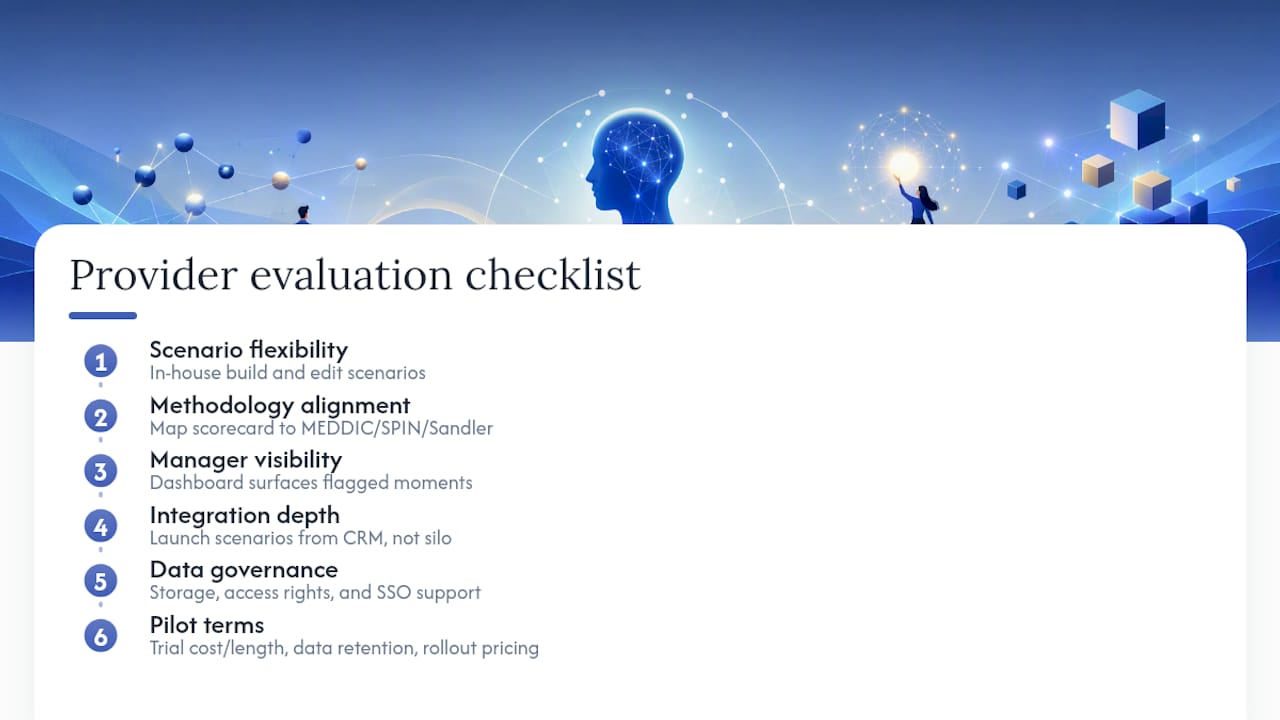
Ask how scoring rubrics are customized: can you map the scorecard to your specific sales framework, whether that’s MEDDIC, SPIN, or Sandler, or does every team get the same generic checklist? Ask what data managers actually see and how it’s organized. A transcript with no rubric attached is just a wall of text; a dashboard that surfaces flagged moments is what actually saves coaching time.
Ask about integration depth. Does the platform connect to your CRM so reps can launch a scenario from a real opportunity, or does practice live in a separate silo reps have to remember to open? Ask about data governance directly: where are recordings and transcripts stored, who inside your organization can access them, and does the platform support single sign-on for a company-wide rollout?
Finally, ask about scenario flexibility. Can your own enablement team build and edit scenarios, or are you stuck with a fixed library that never quite matches your product or your buyers? And ask for a straight answer on pilot terms: what does a two-to-four-week trial cost, what happens to your data if you don’t renew, and what does a full team rollout look like in pricing once the pilot ends?
What Red Flags Should Make You Walk Away?
Some warning signs show up in a demo before you ever sign a contract, and they’re worth taking seriously.
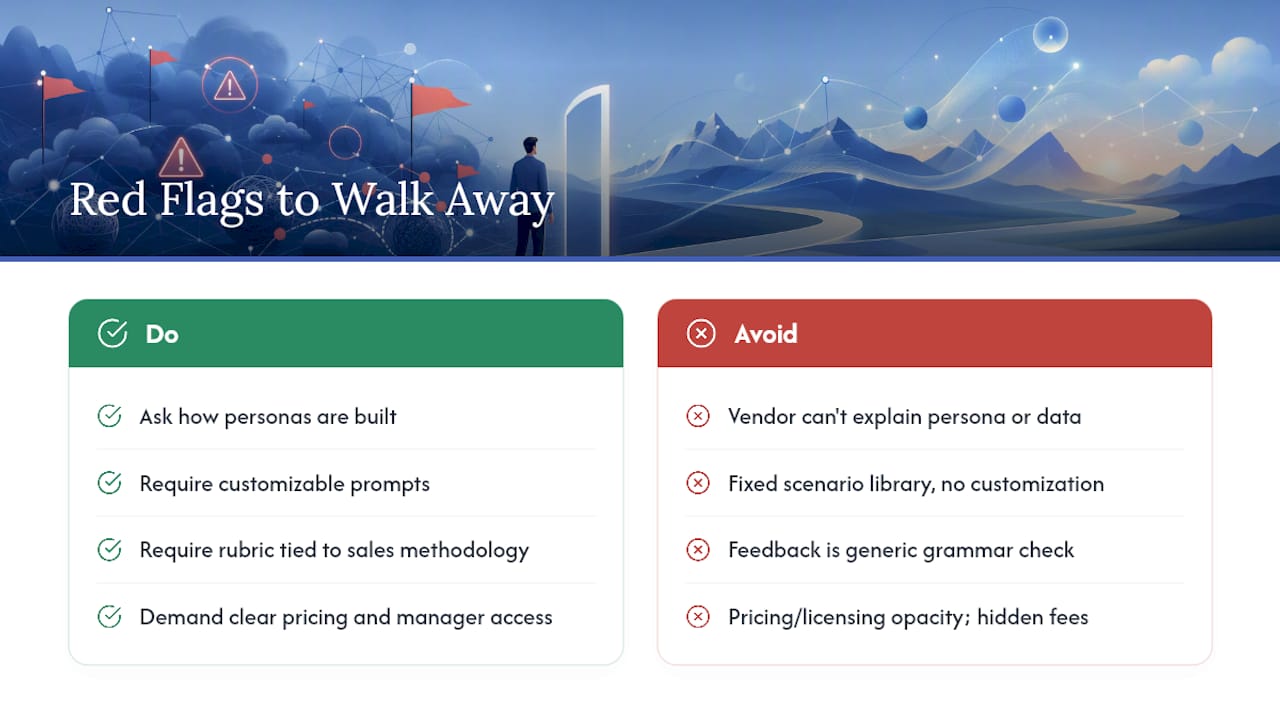
Watch for vendors who can’t explain how their AI personas actually work or dodge questions about what training data shaped their objection scripts. Vague answers here usually mean shallow scenario design underneath a polished interface. Be wary of platforms with a fixed scenario library and no way for your team to customize prompts. Every sales org has a different product, different objections, and a different buyer, so a one-size-fits-all script will feel disconnected from real calls fast.
Watch out for feedback that reads more like a generic grammar check than a rubric tied to a sales methodology. If the scoring doesn’t reference discovery, qualification, or objection handling in a way that maps to how your team actually sells, it’s not going to change behavior. Pricing opacity is another one: if a provider won’t give you a straight answer on pilot cost versus full rollout cost, that gap usually shows up as a surprise later. And if managers can’t easily access transcripts or dashboards without extra licensing fees or a separate login, the tool will end up as a rep-only exercise instead of a coaching tool the whole team benefits from.
Adoption resistance is the last one to watch for. If reps see the platform as surveillance rather than practice, usage drops off within weeks. Providers that build in privacy assurances and frame sessions as low-stakes rehearsal, not performance review, tend to see far better long-term engagement.
How to Evaluate XL Roleplay Before You Commit
Booking a demo is the fastest way to find out if a platform matches how your team actually sells, so go in with a short checklist instead of a general “show me around” request.
Ask to see rubric customization live: can the demo team map a scorecard to your specific methodology in front of you, or is it a fixed template? Check CRM integration depth, confirm transcript and dashboard access for managers, and ask directly about single sign-on and data governance if you’re evaluating for a full team rather than a handful of reps. Get clear pilot terms before you commit anything, including what a two-to-four-week trial costs and what happens to your practice data afterward.
A sensible pilot looks like this: pick a small cohort of five to ten reps, run a two-to-four-week practice cadence, and track readiness scores alongside one early outcome signal, like discovery call completion quality or objection-handling scores on live calls. That gives you a real before-and-after comparison before you scale to the whole team.
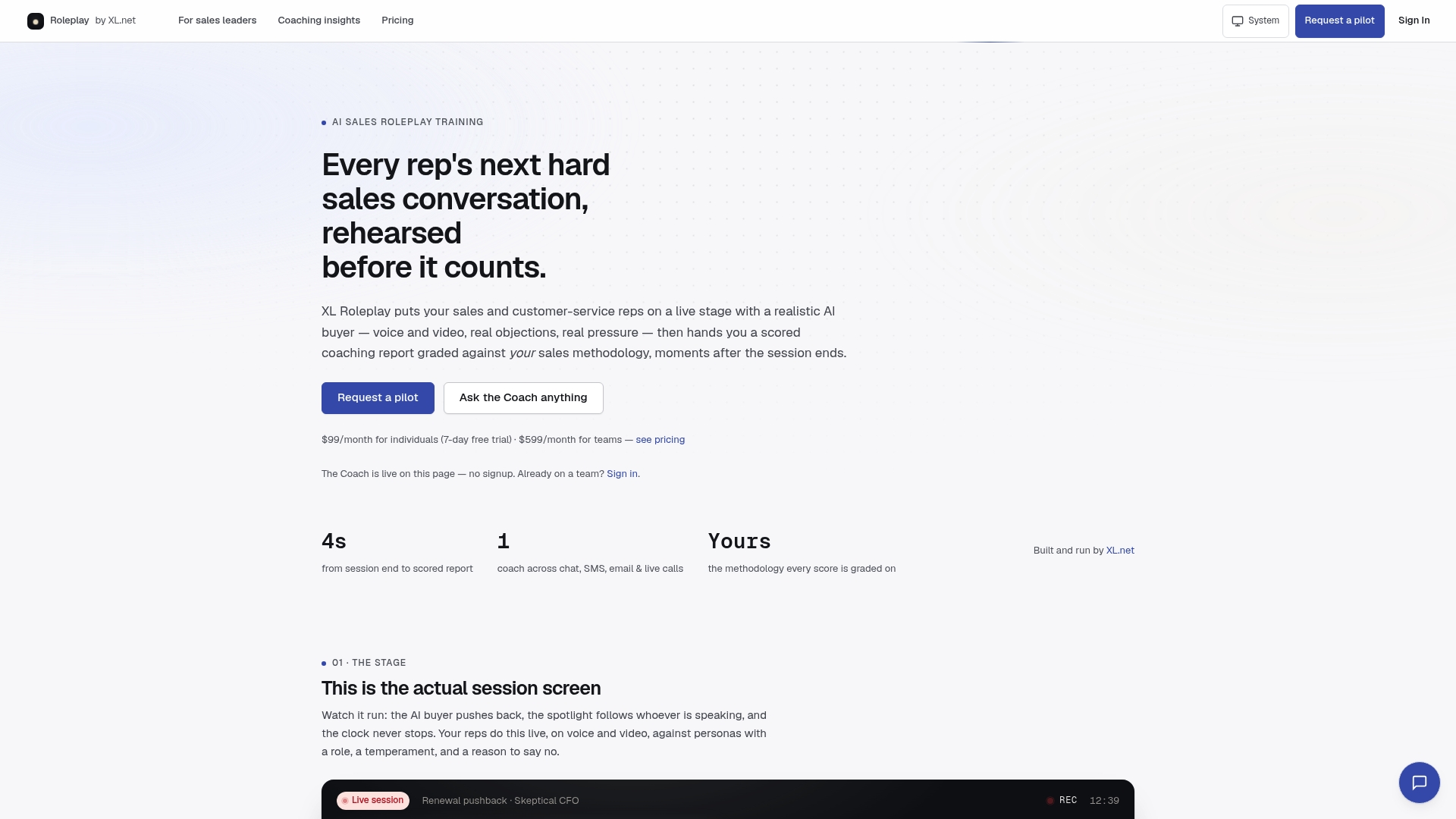
XL Roleplay’s product page walks through the platform’s scenario library and scoring setup in detail, and the sales leaders page breaks down the ROI metrics and enterprise rollout path if you’re evaluating this for a full team. Start with a demo request and bring your own methodology and a real call scenario. That’s the fastest way to see whether the scoring actually reflects how your team sells.
A Practitioner’s Take on Rolling This Out
Start with managers, not reps. Get them comfortable reading a readiness score and a rubric before a single rep opens the app, because a manager who doesn’t trust the data will undercut adoption within a week. Tie the first scenario to a real call on the calendar, set a visible threshold reps can work toward, and run a small pilot with clear metrics before you scale. That’s how you get buy-in that survives past the first month.
— Adam
Sources
- Stop Running Batting Practice In Sales: AI Role-Play Is The New Pitching Machine
- How Microsoft built an AI coach to scale personalized sales training
FAQ
What Is Call Anxiety Training in a Sales Context?
It’s AI-driven role-play where reps practice live voice or video conversations with a simulated buyer, get a scored rubric and transcript, and build confidence through repetition rather than one-off manager sessions.
How Long Does It Take to See Results?
Most teams see measurable readiness score improvements within four to eight weeks when practice runs three to five times weekly in short sessions, based on cohort tracking against a pre-rollout baseline.
Can AI Role-Play Replace Manager Coaching Entirely?
No. Industry guidance consistently frames AI role-play as a supplement that scales repetition and objective feedback, while managers still handle nuanced, high-context coaching that a rubric can’t fully capture.
Does XL Roleplay Work With Existing Sales Methodologies?
Yes. Scoring rubrics can be mapped to frameworks like MEDDIC, SPIN, or Sandler, so feedback reflects the specific qualification and discovery steps your team already uses.
What Should a Pilot Program Look Like?
A small cohort of five to ten reps, a two-to-four-week practice cadence, and tracking of readiness scores alongside one outcome metric gives you enough data to justify a wider rollout.